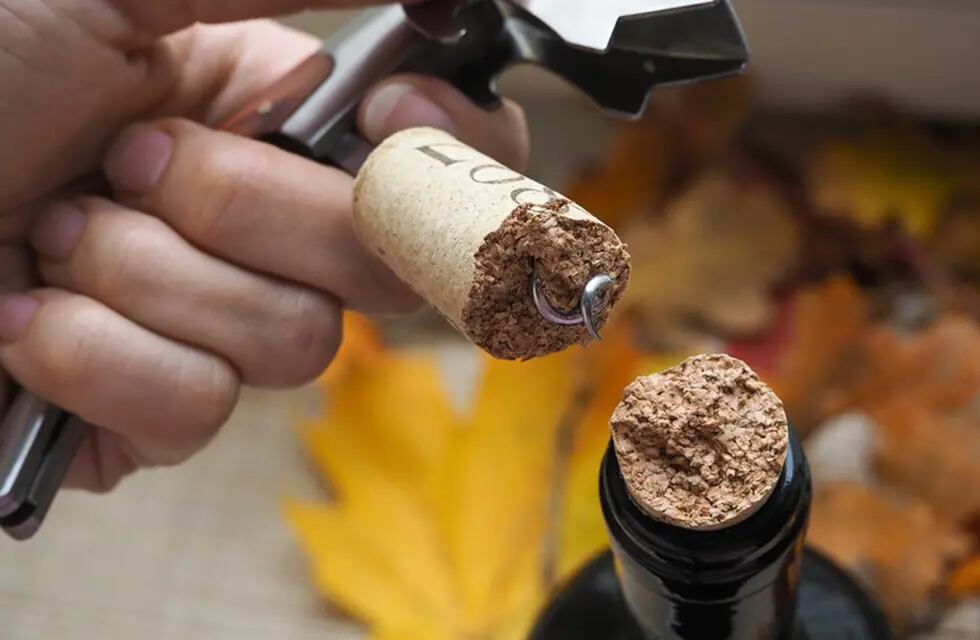
In the ceremony of opening a bottle of wine, careful cork handling is essential to ensure that the experience is as refined as expected. There is nothing more disheartening than facing a broken cork, but understanding the reasons behind this mishap and knowing how to handle it can make the difference between a frustrating evening and an unforgettable one.
Common Causes of Cork Breakage
When facing a bottle of wine, the cork becomes the guardian of the flavors and aromas trapped inside. However, at times, this guardian can betray us, breaking and leaving us with the uncertainty of how to proceed. To understand and prevent cork breakage, it is essential to explore the underlying causes of this inconvenience.
- Cork Quality: The quality of the cork plays a crucial role in its resistance. Natural corks, sourced from cork oak bark, are preferred by many quality wine producers due to their elasticity and ability to seal the bottle tightly. However, even within natural corks, there are varying quality grades. Low-quality or structurally imperfect corks may break more easily.
- Exposure to Air and Moisture: Prolonged exposure to air and moisture can affect the cork’s integrity. Dry and brittle corks are more prone to breaking when opening the bottle. Locations with extreme temperature and humidity fluctuations, as well as improper bottle storage, can contribute to cork degradation.
- Age of the Wine: Time is a significant factor. Aged wines often have more fragile corks due to prolonged exposure to the bottle’s environment. Old corks can become brittle, increasing the risk of breakage during opening.
- Type of Wine: The nature of the wine itself also influences cork fragility. Denser and concentrated wines, like some aged reds, may require sturdier corks. On the other hand, lighter and younger wines may fare well with more flexible corks.
- Improper Storage: Incorrect bottle storage can expose corks to unfavorable conditions. Vertical positioning, keeping the cork in constant contact with the wine, can prevent dehydration of the cork. Storing bottles horizontally is a common practice to avoid cork dehydration.
- Incorrect Handling: The way bottles are handled before opening can also influence cork breakage. Careless storage, rough handling, or sudden movements while opening the bottle can weaken the cork’s structure and increase the chances of breakage.
By understanding these causes, wine lovers can take measures to minimize the risk of encountering a broken cork and fully enjoy each bottle opening. In the following sections, we will explore the proper tools and techniques for opening a bottle, as well as practical tips to prevent cork breakage.
Essential Tools for Opening a Bottle of Wine
When faced with a stubborn cork, having the right tools can make the difference between a smooth opening and a frustrating challenge. Here, we will highlight the essential tools that every wine enthusiast should have on hand.
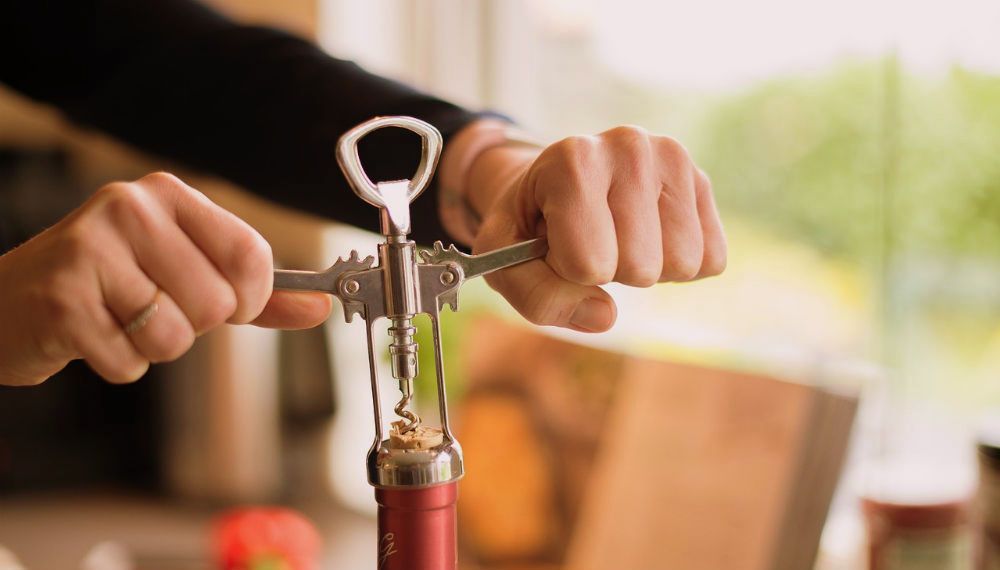
- Lever Corkscrew: This classic tool is a reliable choice for many. It consists of a lever and a spiral, making it easy to extract the cork with a smooth lever motion. Opt for sturdy models with metal construction for durability.
- Double-Lever Corkscrew: An enhanced variant of the lever corkscrew, this design features two levers for increased efficiency. By reducing the required resistance to extract the cork, the risk of breakage is minimized.
- Compressed Air Corkscrew: This ingenious device uses compressed air to gently push the cork out of the bottle. It is an ideal choice for partially broken corks or those that have sunk into the bottle. Ensure to follow the instructions for safe and effective use.
- Bell Corkscrew: This elegantly designed corkscrew uses a bell placed over the bottle’s top. By turning the handle, the spiral is inserted into the cork, and the bell helps effortlessly extract it. It is a stylish and functional option.
- Teflon Spiral: If you prefer a more classic approach, make sure your corkscrew has a Teflon spiral. This material reduces friction and facilitates penetration into the cork, minimizing the chance of breakage.
- Electric Opener: For those seeking maximum convenience, electric openers offer an effortless solution. Simply place the device over the bottle, press a button, and let the motor do the work. Ensure it is fully charged for optimal performance.
By choosing the right tool for the situation, you can face any cork with confidence. In the next section, we will explore the proper techniques to use these tools and open your bottle of wine smoothly.
Techniques for Opening a Bottle of Wine without Risks
Now that you have the right tools, it’s time to perfect the opening techniques to avoid any risk of breaking the cork. Follow these steps for a seamless uncorking experience.
- Correct Positioning: Before starting, ensure the bottle is placed on a flat and firm surface. Hold the bottle with one hand around the neck to keep it stable.
- Remove the Aluminum or Plastic Cover: Many wine bottles have a protective cover around the neck. Use the foil cutter to remove it, exposing the cork and facilitating access with the corkscrew.
- Center the Spiral on the Cork: When using the corkscrew, make sure the spiral is centered on the cork. Insert it slowly, applying constant and firm pressure. Avoid tilting it, as this could increase the risk of breakage.
- Use a Supporting Tool: In some cases, especially with older or fragile corks, it is helpful to have a supporting tool. Place a twin-pronged corkscrew or an ah-so next to the main corkscrew to prevent cork crumbling.
- Turn Gently and Firmly: When turning the corkscrew, do so gently and firmly. Avoid abrupt or sudden movements that may increase pressure on the cork. Patience is key to successful uncorking.
- Use the Air Ahoy with Moderation: If you opt for the compressed air ahoy, follow the instructions carefully. Do not apply too much pressure at once; instead, perform controlled bursts until the cork begins to give.
What NOT to Do When Opening a Bottle of Wine
Although we have reviewed best practices, it is equally important to know what NOT to do when opening a bottle of wine to avoid mishaps and preserve the liquid’s quality inside. Here is a list of common mistakes to avoid:
- Do Not Shake the Bottle: Avoid shaking the bottle before attempting to open the wine. This can increase internal pressure and make the cork more challenging to extract.
- Do Not Use Improper Tools: Each tool has its purpose. Avoid improvising with objects not designed to open wine bottles, as this can lead to cork breakage.
- Do Not Apply Excessive Force: Although it is natural to apply pressure when opening a bottle, avoid excessive force. A gentle and controlled touch is often more effective and safer.
- Do Not Use a Damaged Corkscrew: Before starting, ensure your corkscrew is in good condition. A damaged corkscrew can make cork extraction difficult and increase the risk of breakage.
- Do Not Leave Residues in the Wine: If the cork breaks, avoid pouring the wine directly after partially removing the cork. Filter any residue before serving to maintain wine quality.
Creative Solutions for Broken Corks
Despite all precautions, it may happen that the cork breaks partially. In this section, we will explore creative solutions to deal with this situation and enjoy your wine without any hiccups.
- The Elegant Strain: A fine-mesh strainer can be your best ally. Place the strainer over the glass and pour the wine slowly, allowing it to retain any cork fragments.
- The Funnel Maneuver: If you have a funnel on hand, use it to pour the wine. The funnel will catch any residue, ensuring that only pure liquid reaches the glass.
- The Candle Maneuver: Light a candle and place the bottle upside down over it. The candlelight will help spot any cork particles, allowing you to adjust your pour more accurately.
With these creative solutions, you can overcome any obstacle that arises when opening a bottle of wine with a broken cork. The key is patience and smart improvisation.
Tips to Avoid Cork Problems in the Future
Finally, to prevent future inconveniences, implement these practical tips when storing and opening your wine bottles:
- Store Horizontally: Keep your wine bottles horizontally to ensure the cork is in constant contact with the liquid. This prevents cork drying and reduces the risk of breakage.
- Control Storage Temperature: Store your wines in a cool, dark place, avoiding extreme temperature fluctuations. This will contribute to maintaining cork integrity.
- Use Quality Corkscrews: Invest in quality corkscrews that suit your preferences. A good corkscrew can make a difference in ease of opening and cork preservation.
- Avoid Synthetic Corks: While synthetic corks are popular, some wine enthusiasts prefer natural corks. Consider your preferences and choose wines with corks that align with your expectations.
With these tips in mind, you’ll be able to enjoy your bottles of wine more safely and without worries. The opening of a bottle of wine should be a pleasurable ritual, and with the right tools and techniques, you can face any challenge with confidence. Cheers!