

If you have compared sparkling wines, you have probably seen Brut Nature, Extra Brut and Brut on bottle labels. These terms are useful when choosing Cava or another traditional-method sparkling wine, but they do not tell you where a wine was made, how long it has aged or whether it is of higher quality. They mainly describe the sugar content of the finished wine and, in the case of Brut Nature, how the final dosage is handled.
Quick answer: for Cava, Brut Nature means no more than 3 grams of sugar per litre and no sugar added after the second fermentation; Extra Brut allows up to 6 g/L and Brut up to 12 g/L. All three can be considered dry styles. To choose a bottle you will enjoy, look at acidity, texture, ageing, grape varieties and the producer’s tasting notes as well.
Brut Nature vs Extra Brut vs Brut: the key differences
| Style | Sugar in the finished wine | What it means |
|---|---|---|
| Brut Nature | 0–3 g/L | No sugar added after the second fermentation |
| Extra Brut | Up to 6 g/L | A dry style with limited scope for dosage |
| Brut | Up to 12 g/L | Still dry, with more flexibility in the final balance |
These thresholds are published by the Cava Regulatory Council. The limits are maximums, not fixed amounts: two bottles labelled Brut can contain different amounts of residual sugar and taste noticeably different.
What is dosage and why does it affect flavour?
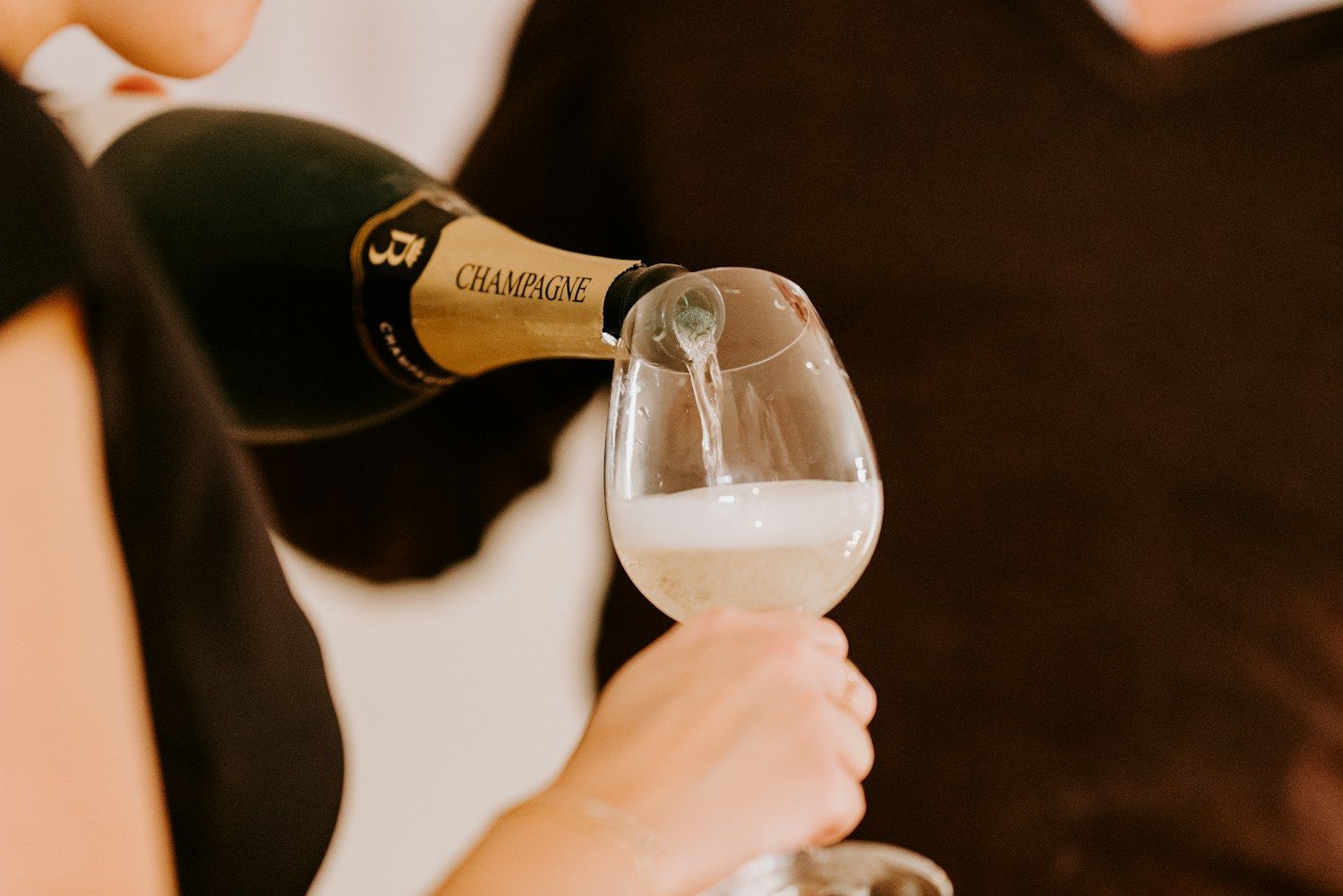
In the traditional method, the second fermentation happens inside the bottle. After the wine has spent time ageing on its lees, the producer removes the yeast sediment through a process known as disgorgement. The winery may then add a small amount of expedition liqueur, commonly based on wine and sugar, to refine the final style. This step is called dosage.
Dosage is only one part of what we taste. Acidity, the ripeness of the fruit, the length of ageing, the grape varieties and the texture of the bubbles also affect the finished wine. For example, a Brut with lively acidity may feel more sharply dry than a Brut Nature made by a different producer. The label offers a useful clue but never the full tasting picture.
Brut Nature: a particularly dry style
Brut Nature receives no added sugar after the second fermentation and must finish with no more than 3 g/L. It does not necessarily mean an absolute zero sugar content: a small amount of residual sugar may remain naturally.
This style may appeal to drinkers who enjoy freshness and a very dry impression. Yet not all Brut Nature sparkling wines are crisp and austere. Some are broad and creamy, with toasted or savoury notes from extended ageing, while others are leaner and driven by acidity. Vineyard conditions, grape varieties and winemaking choices can all change the result.
Extra Brut: dry, with a little room to adjust balance
Extra Brut can contain up to 6 g/L of sugar. The small amount permitted at dosage can help a winemaker shape the finish while keeping an unmistakably dry profile. It is often difficult to identify the difference from Brut Nature without knowing the individual wines.
If you enjoy dry sparkling wines but do not insist on a no-added-sugar approach, Extra Brut is a category worth exploring. Look for a producer’s technical sheet if you want to understand the blend and ageing as well as the dosage.
Brut: dry does not mean sweet
Brut allows up to 12 g/L. Despite the higher ceiling, Brut is still a dry category and should not be confused with medium-dry or sweet sparkling wines. Some Brut wines are rounded and generous, while others remain taut, fresh and mineral.
A wine’s acidity can balance added sugar so effectively that its sweetness is barely noticeable. This makes the tasting notes, the ageing period and the intended occasion just as important as the dosage classification. Choosing solely by the word Brut risks overlooking a wine that would suit your meal better.
Dosage is not the same as ageing or appellation
Brut Nature does not mean Gran Reserva
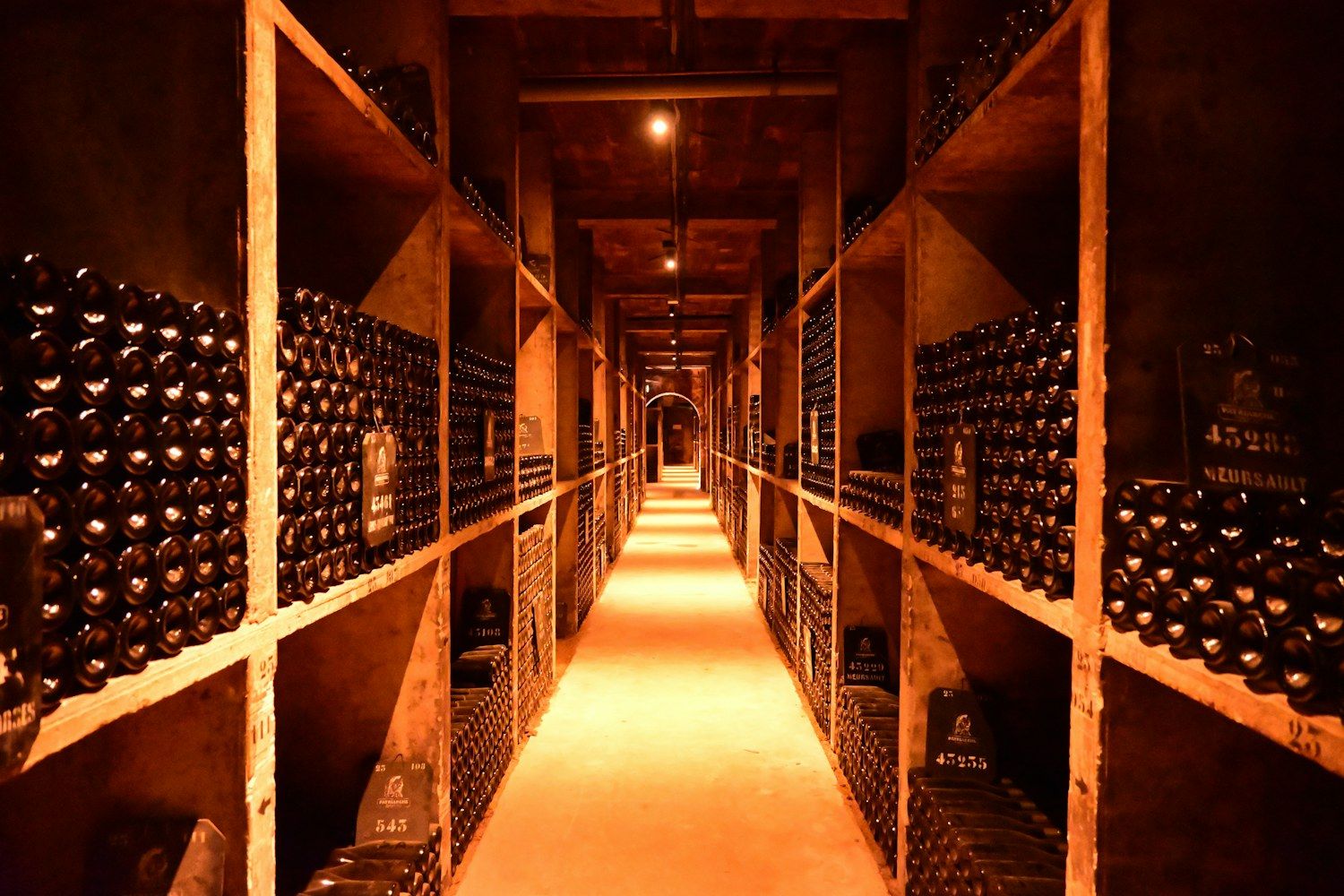
The dosage category describes sugar. Terms such as Reserva and Gran Reserva in the D.O. Cava system refer to ageing and other production conditions. Current minimum bottle ageing is 9 months for Cava de Guarda, 18 for Reserva, 30 for Gran Reserva and 36 for Paraje Calificado. A bottle can carry an ageing term alongside Brut Nature, Extra Brut or Brut.
Brut does not mean Cava
Cava and Corpinnat are defined by different origin and production requirements. Brut Nature, Extra Brut and Brut relate to sugar instead. Similar dosage labels can therefore appear on sparkling wines from different origins. If you want to compare their regions and regulations, see our Cava, Corpinnat and Champagne guide.
Which sparkling wine works best with food?
Food pairing depends on the particular wine and dish, not on dosage alone. Still, understanding the different dry styles can help you narrow down your shortlist.
Seafood and delicate fish
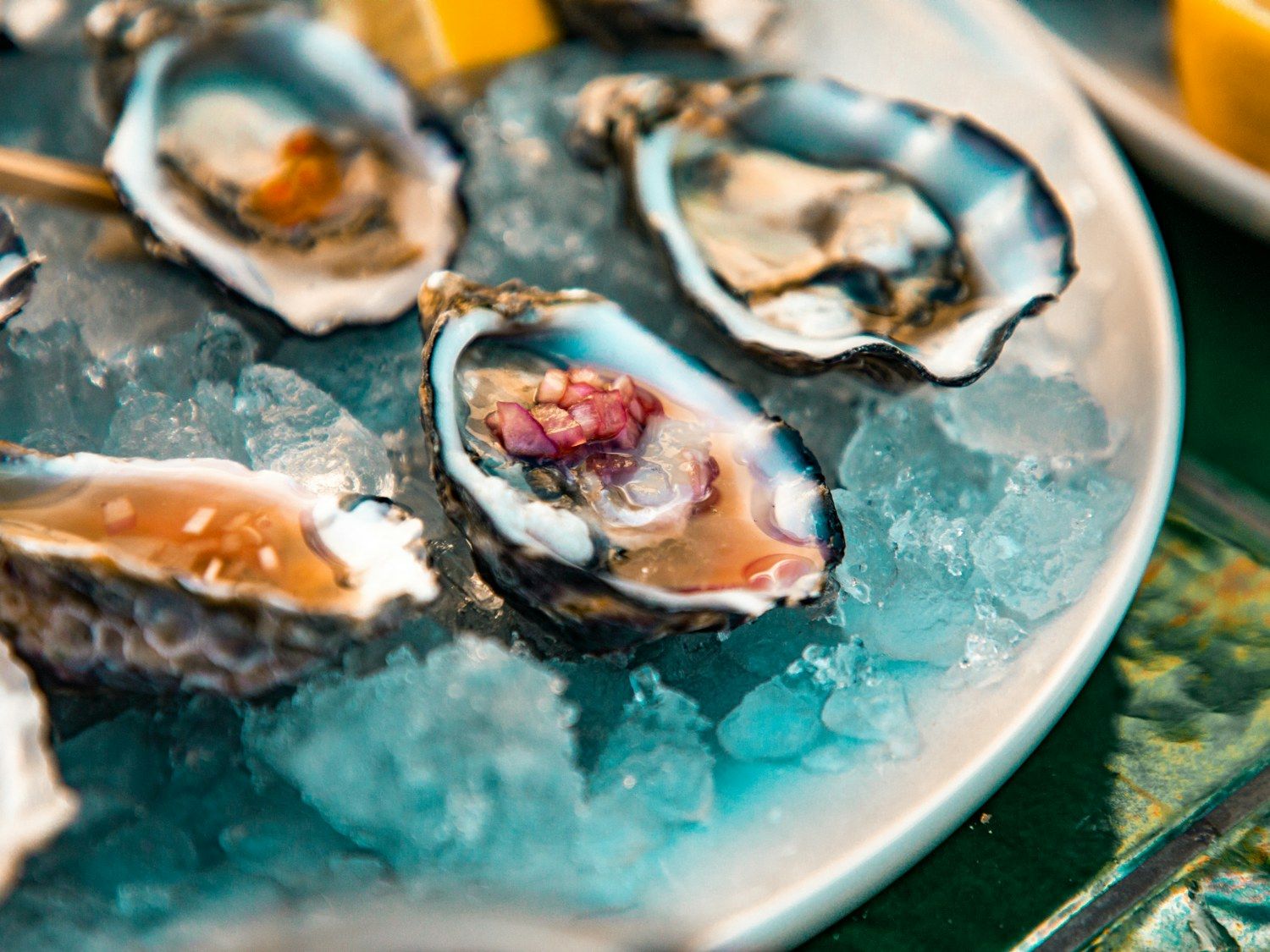
A fresh Brut Nature may work with oysters, gently cooked shellfish or white fish where a dry finish is welcome. A long-aged example with a rich texture might, however, be too intense for a subtle dish. Pay attention to the producer’s description of acidity and body.
Rice dishes and Mediterranean cooking
A balanced Extra Brut can be a useful option with vegetable rice dishes, baked fish or savoury starters. If the dish has a strongly flavoured stock or sauce, the sparkling wine’s body and lees ageing may matter more than a small difference in sugar content.
Mixed appetisers and spiced dishes
Brut styles can work with a varied selection of appetisers. When food is spicy, the relationship between acidity, sweetness and the intensity of the seasoning deserves extra attention. There is no universal rule: a balanced match depends on both the wine and the level of heat.
Three questions to ask before buying sparkling wine
| Ask yourself | Check the bottle details |
|---|---|
| Do I like very dry wines? | Dosage, acidity and tasting profile |
| Will I drink it alone or with food? | Dish intensity, body and ageing notes |
| Am I exploring a producer or a style? | Origin, grape varieties, vintage and bottle ageing |
When shopping online, take a moment to read the full bottle description. The wine with the least residual sugar is not automatically the best choice for you. A more considered selection takes into account flavour, occasion, balance and how the sparkling wine will be served.
Two bottles at Idyllica to start comparing
You can explore Pedregosa Clos de Blancs from the Cava selection and Torelló Brut Nature from the Corpinnat collection. They are starting points for considering the producer, origin and ageing alongside dosage. Always check the vintage and current bottle information before ordering.
For a wider choice, browse our Cava selection and Corpinnat sparkling wines. Comparing real bottle profiles is often the most useful way to move from a general preference to the right wine.
Frequently asked questions about dosage
Does Brut Nature mean zero sugar?
Not necessarily. Under Cava rules, no sugar is added after the second fermentation, but the finished wine may still contain up to 3 g/L of residual sugar.
Is Extra Brut sweeter than Brut?
No. Extra Brut allows up to 6 g/L and Brut up to 12 g/L. How sweet either tastes will also depend on its acidity and other characteristics.
Is Brut Nature always better than Brut?
No. These are classifications of dosage, not quality. Both categories can include excellent wines, and the best choice depends on balance and personal preference.
Can a Brut Nature be aged for a long time?
Yes. Ageing and dosage describe different things. Check the appellation category and producer’s technical information to find out how long a wine has aged.
Which style makes a good gift?
A balanced Brut is a useful starting point if the recipient’s tastes are unknown, but no single dosage will suit everyone. Someone who specifically enjoys very dry wines may appreciate a Brut Nature. Winery, origin and the occasion also matter.
Sources and further reading
The sugar thresholds and dosage explanation are based on official material from the D.O. Cava Regulatory Council and its traditional-method production guide. Food-pairing suggestions are illustrative and depend on the individual bottle.
